The AI bill executives now pay is physical, legal, and human
Power and hardware, audit trails, and multi-agent teams: three costs that arrive together, and none of them looks like a software licence.
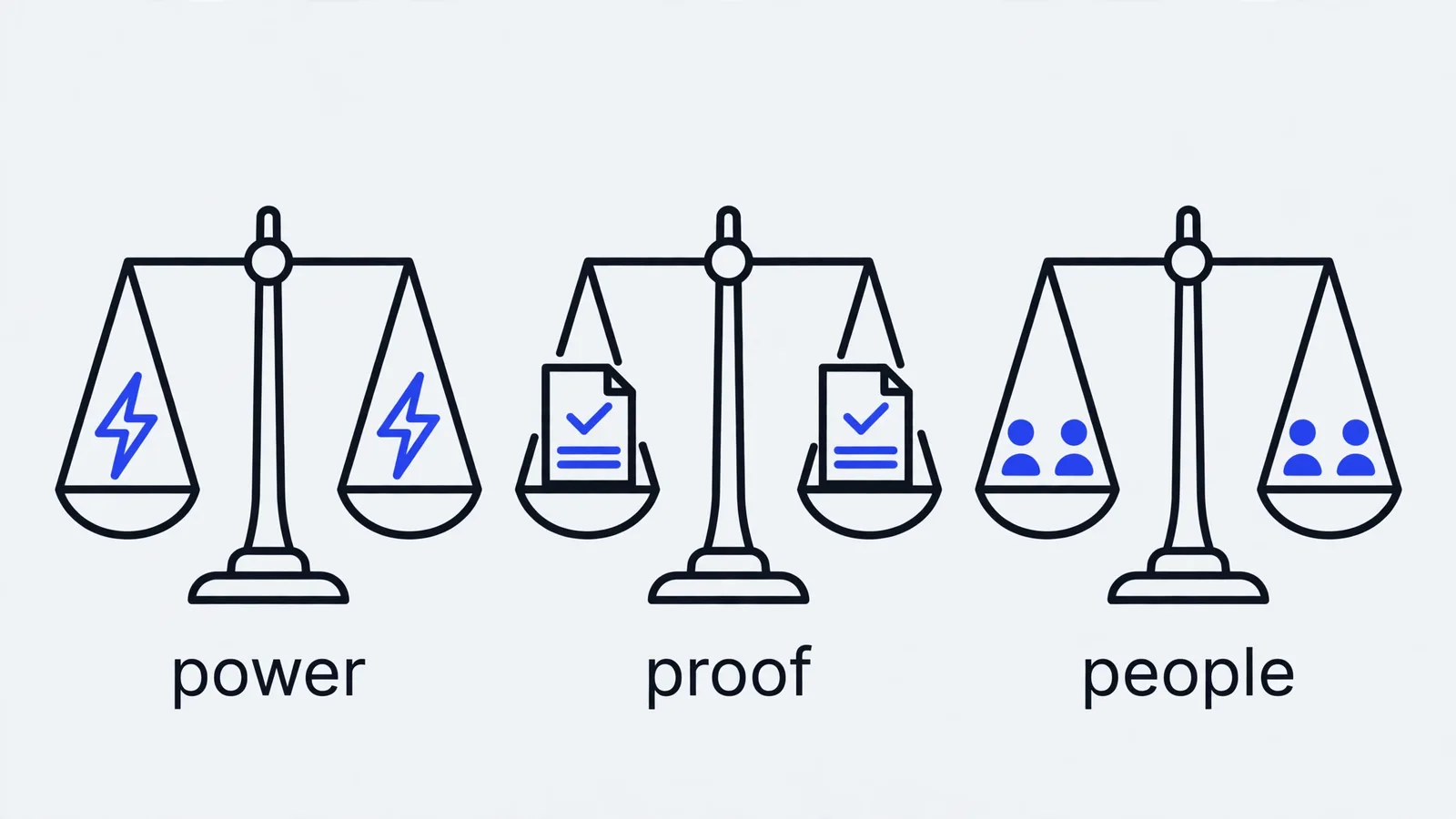
The AI bill executives now pay comes in three currencies: power, proof, and people.
It is no longer just a software subscription. It is physical capacity, a legal trail, and a reorganised workforce.
1. Physical: UBS raised its AI capital expenditure forecasts to $1.0 trillion in 2026 and $1.4 trillion in 2027. Super Micro reported net sales of $19.9 billion for the first quarter of fiscal 2027, the company says.
2. Legal: Insurance carriers are solely accountable to regulators for decisions made by AI systems, even when a third-party vendor provides them. Ocrolus analysed 1.46 million small business loan applications over 90 days, flagging 175,000 as suspicious.
3. Organisational: Healthcare AI is moving from single copilots to coordinated teams. At Memorial Hermann, emergency physicians using Ambience completed 1.7 additional patient visits per 10-hour shift.
4. Measured in time: Primary care physicians spend two hours on EHR documentation for every hour of direct patient care. Radiologic Associates of Fredericksburg achieved a 19% increase in pooled median throughput after implementing Rad AI Reporting.
Watch next: which of the three bills — power, proof, or people — breaks your budget first.
Are you budgeting for AI as a tool, or as a whole new operating cost?
#AI
This roundup was written by an agent from the stories below, each built from cited Synorb Manifests. Read the methodology and limitations, or send a correction.