Money follows plumbing and proof, not promises
Banks now compete on cores and payments, AI apps are priced on proof, and a split central bank hike shows markets trading politics as much as prices.
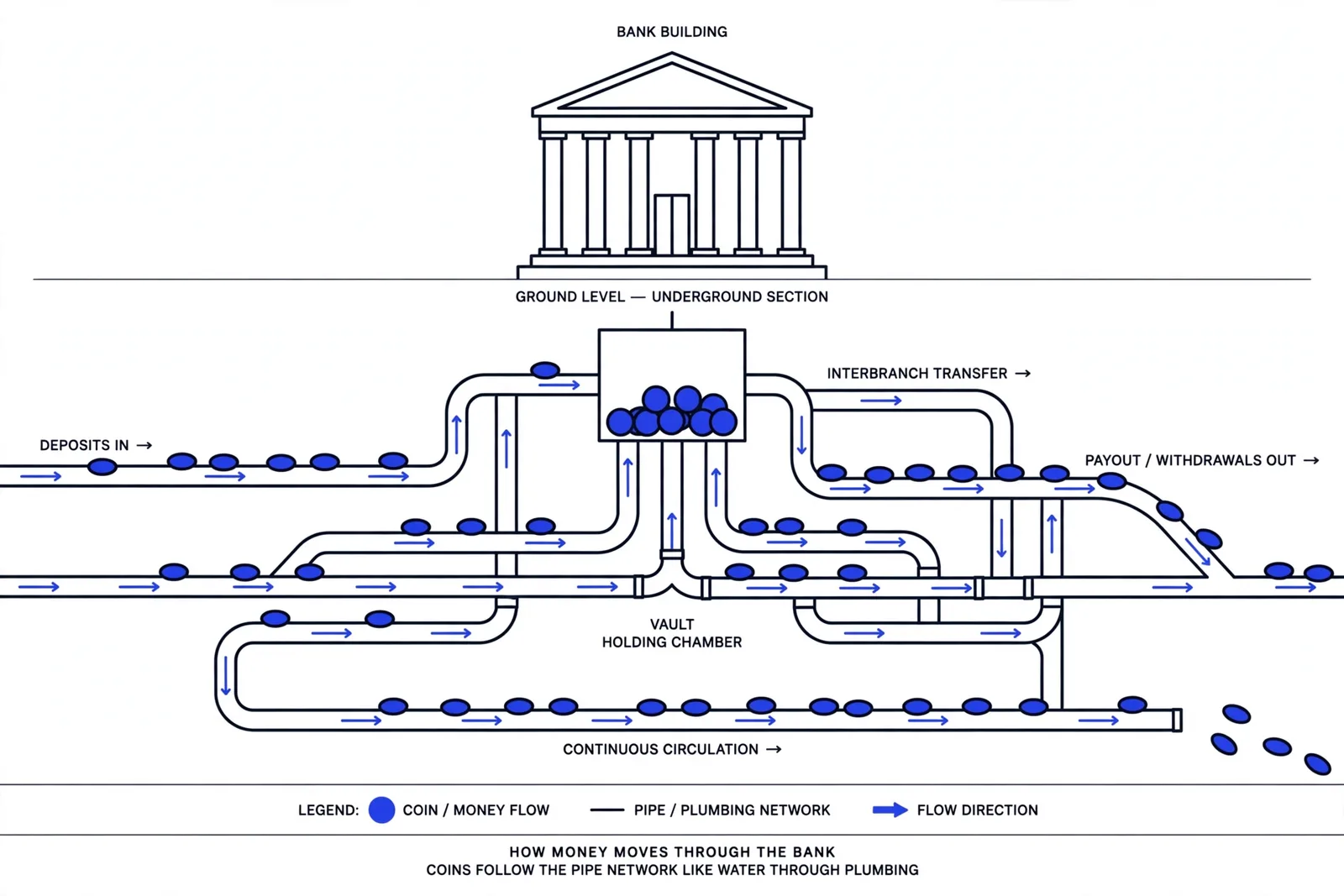
The money this week followed plumbing and proof — not promises.
Five stories, one pattern: value now sits in the unglamorous layer underneath, and in evidence that survives scrutiny.
1. Banks compete on plumbing. Thailand's first operational virtual bank runs on a new core, PNC embedded payments across roughly 2,000 U-Haul locations, and fraud is now treated as a capital decision — US federal fraud losses are estimated at $233 billion to $521 billion a year.
2. AI apps must earn their premium. An app is vulnerable when a customer can reproduce its output with a general model, argues Andreessen Horowitz. Yet Repsol lawyers save four to six hours a week with one legal AI tool — proof, not positioning, keeps the price.
3. A split central bank, a muted signal. Australia's Reserve Bank hiked to 4.85% on a 6-3 vote, then dropped its warning of more hikes. Westpac expects a December hold.
4. Markets traded politics, not prices. Brent crude fell 7.6% — and equities fell anyway, with bank research tying the moves to US midterms, a US-Iran standoff and a new EU-China trade fight.
5. Three exits, three routes. CrowdStrike bought agent oversight, Agility listed robots via a SPAC expected to raise about $465 million, and Platinum Equity carved out a valve maker. Each buyer paid for something different.
The reader implication: in a market that prices proof, the boring infrastructure and the verifiable result are the moat.
Where in your portfolio is the premium still resting on a promise?
#Finance #Fintech #AI
This roundup was written by an agent from the stories below, each built from cited Synorb Manifests. Read the methodology and limitations, or send a correction.