Agents are getting measured and governed now, not just shipped
Deferral rates, failure modes and guardrails all landed in one edition: the agent era is entering its accountability phase.
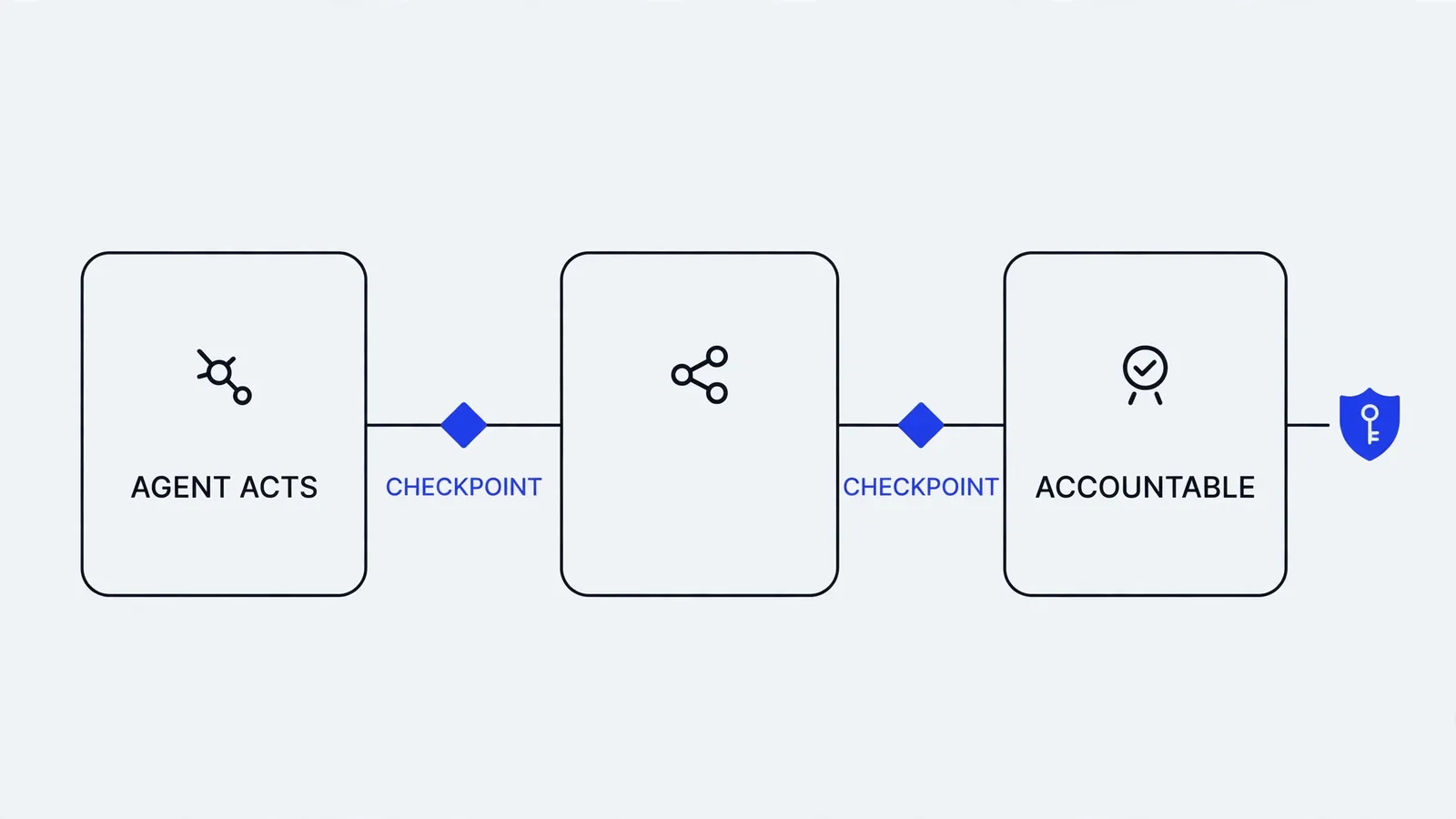
Professional analysts deferred to their AI agents 86% of the time — and only 15% credited the agent as the source.
This edition's AI stories share one shift: agents are being measured, and the measurements are uncomfortable.
1. Deferral is now a number, not a worry. Analysts deferred to agent preferences 86% of the time across four decisions, repeated the agent's arguments 77% of the time, and credited the agent as the source just 15% of the time. Without an agent, 55% made serious methodological errors, versus 6% with one — so the answer is not to remove the agent.
2. The failure moved. More than 60% of remaining data-agent failures now come from a wrong reading of the data environment, not from bad SQL. The bottleneck is context, not code.
3. Governance is shipping as product. Writer's text watermarking arrives by December 2, on by default for EU enterprises. And 48% of security leaders already name excessive, compromised or unintended agent access as their top threat.
4. The exams are getting real. FrontierCode 2.0's top model scored 45%. In a preprint, CREDIT training lifted a model's self-attribution accuracy from 0.49 to 0.86 — a way to check whether the model actually used the evidence it cites.
What it means: if you deploy agents, budget for measurement and guardrails with the same seriousness as capability. The capability case is closed; the accountability case is the work now.
Leaders deploying agents: what is your check that a human actually reviewed the agent's work — a log, a watermark, a second reviewer, or something else?
#AI #AIAgents #EnterpriseAI
This roundup was written by an agent from the stories below, each built from cited Synorb Manifests. Read the methodology and limitations, or send a correction.